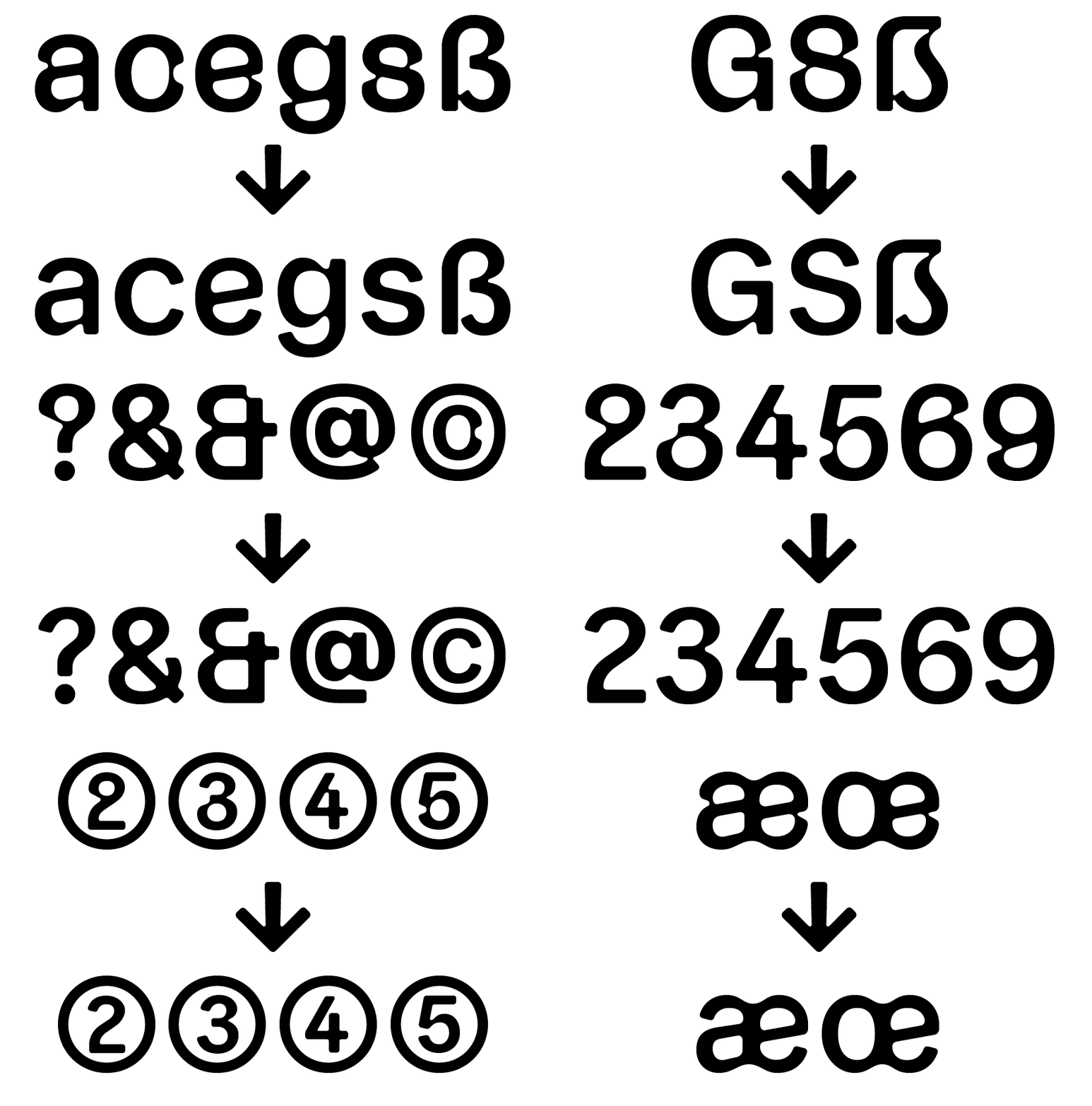
OpenType features: Stylistic Set 01 (Open Counters)
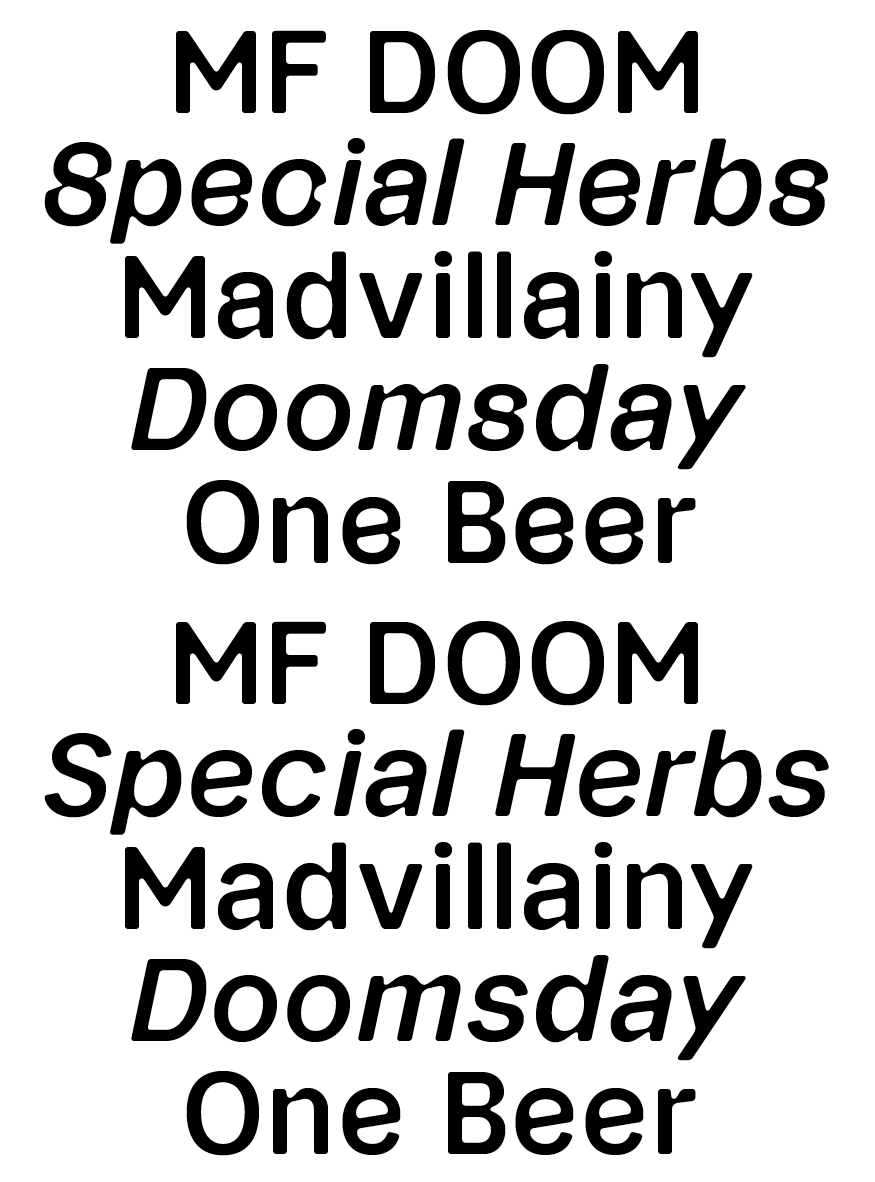
OpenType features: Stylistic Set 01 (Open Counters)
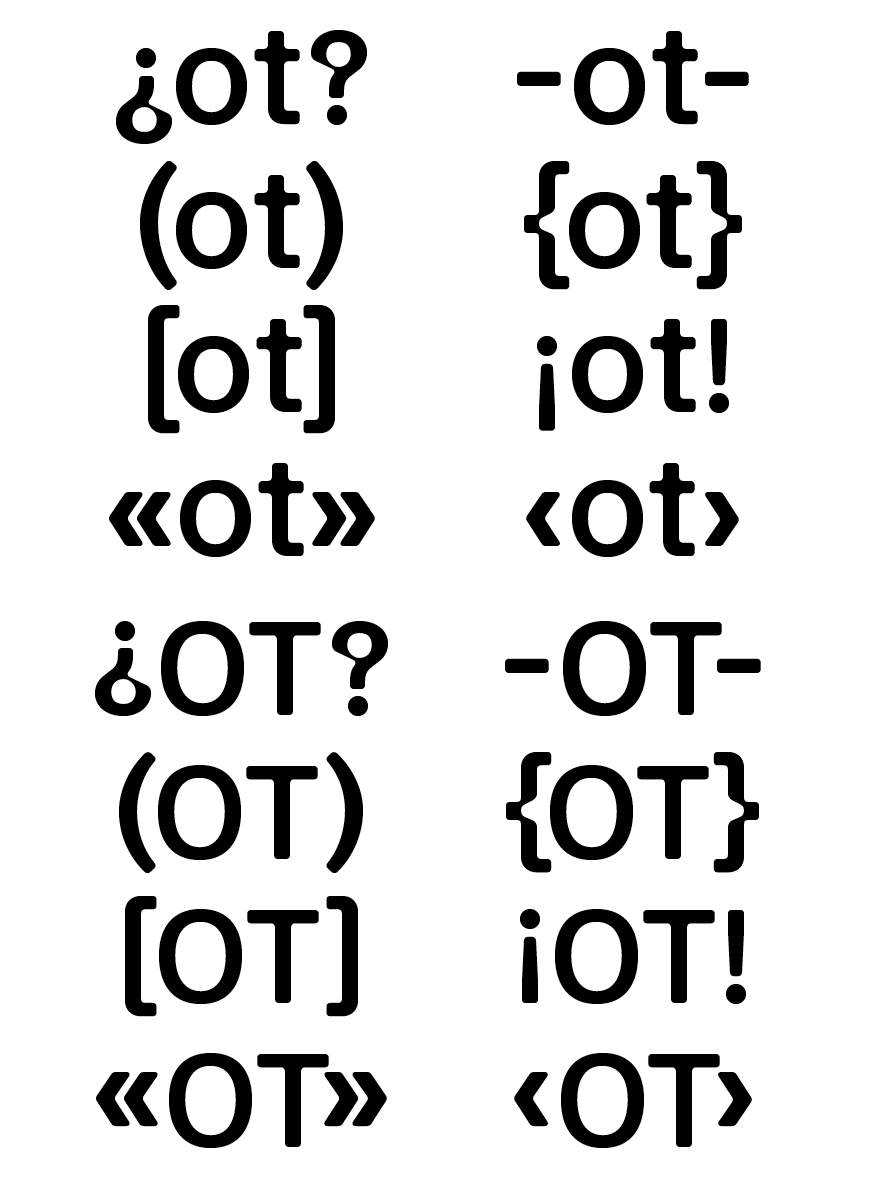
OpenType Features: Case sensitive Forms
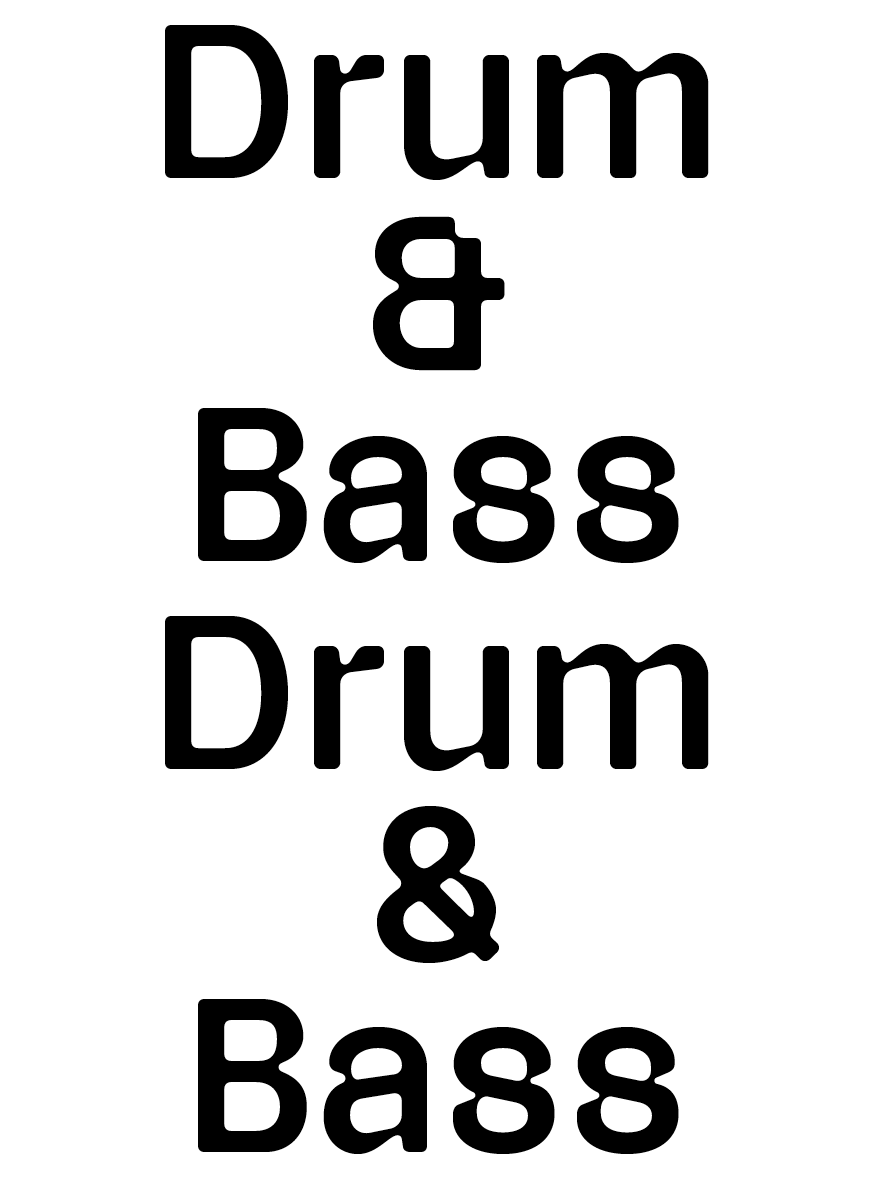
OpenType Features: Stylistic Alternates (Alternate Ampersand)
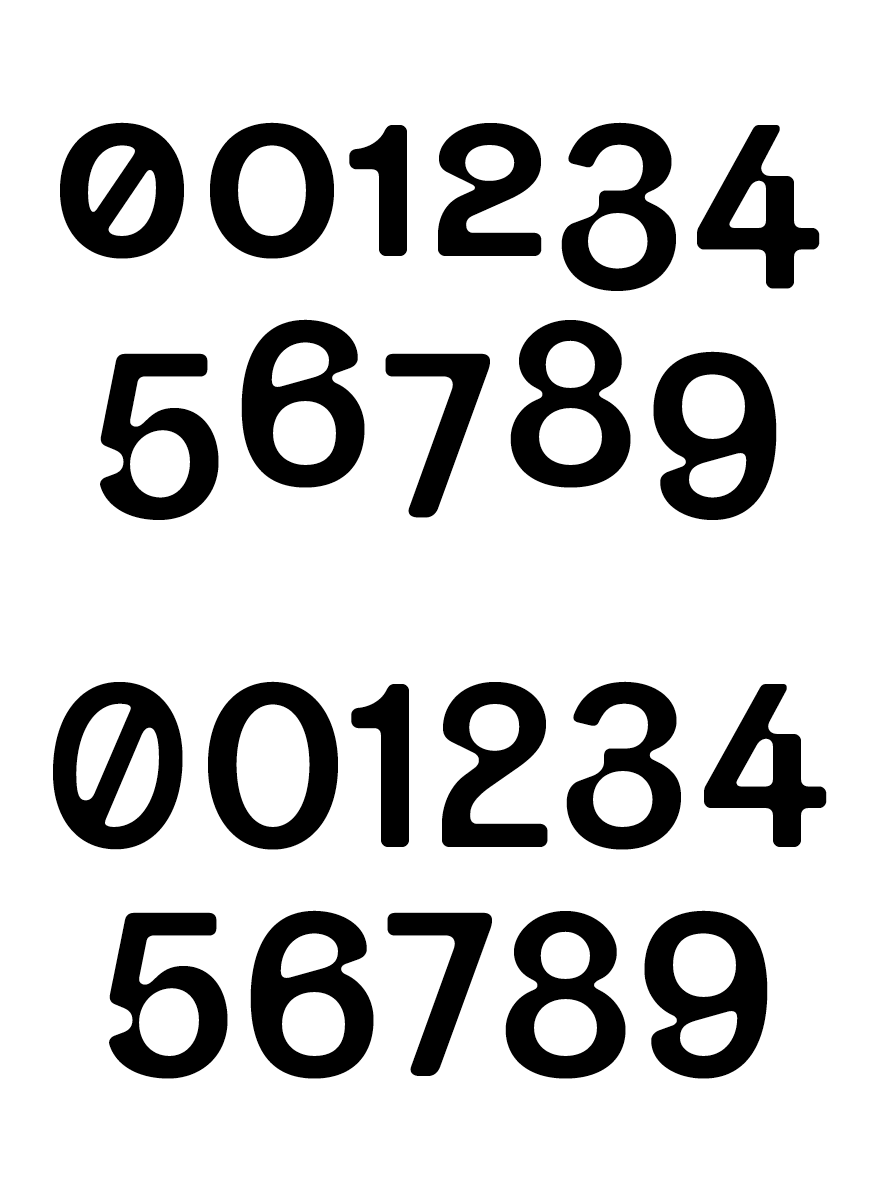
OpenType Features: Slashed zero and Old style figures
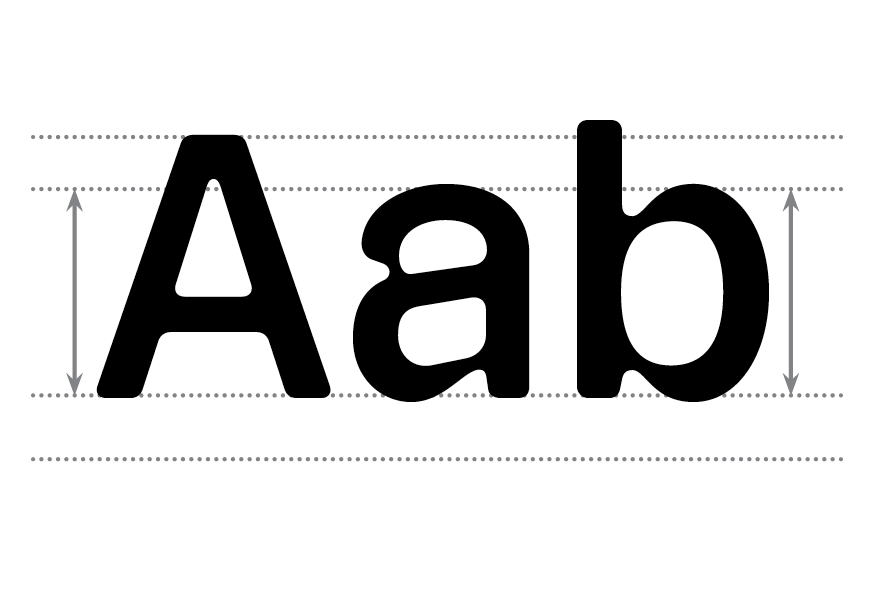
Properties: large x-height
Information
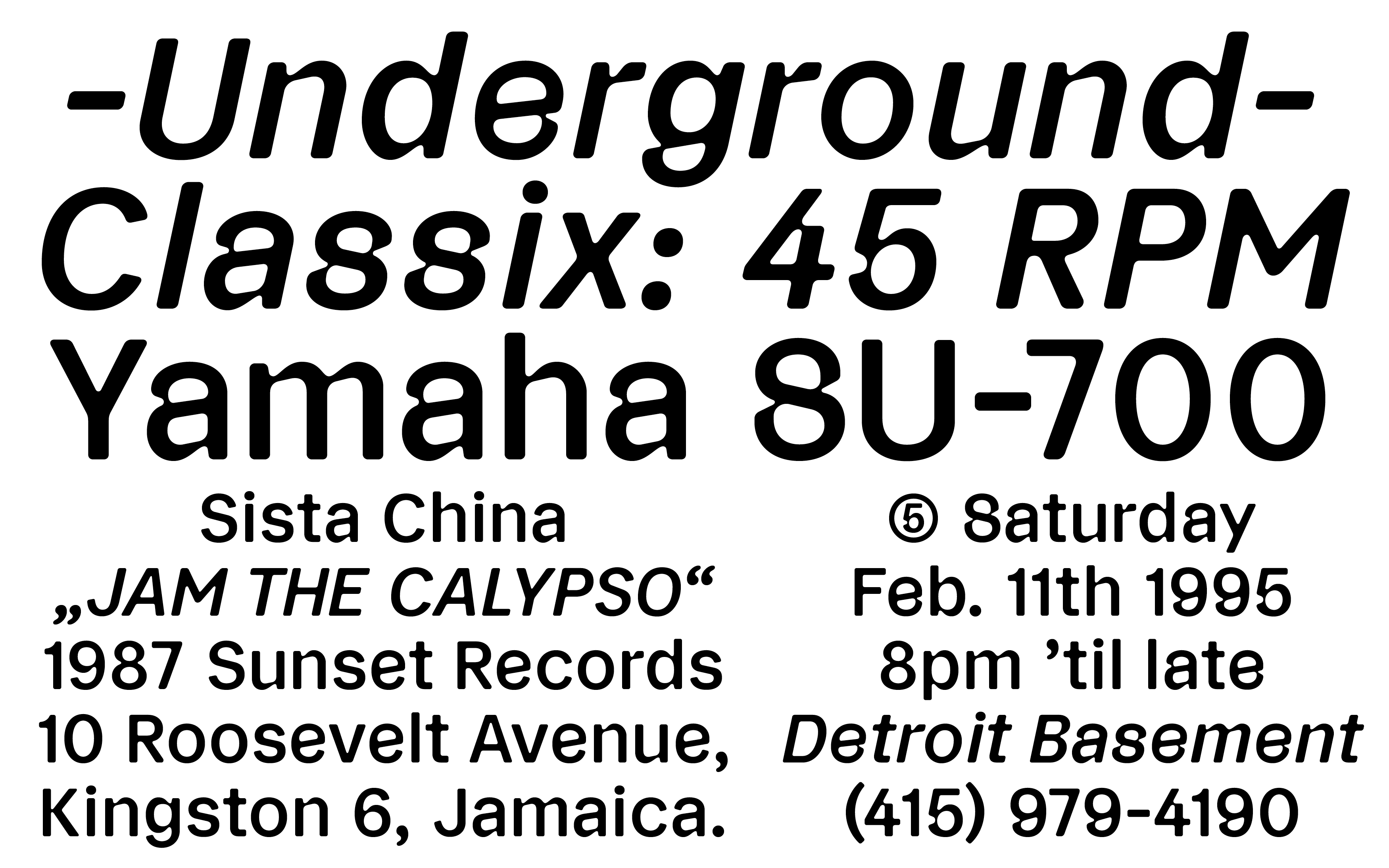
Trax is a typeface that is inspired by artifacts of Xerox copiers and the techno and rave scene of the early nineties. In this era, digital printing was still in the preserve of the graphics industry, as the necessary computers were expensive and complex to operate. Like in the punk era, the independent event scene therefore used all other available means of design: handwriting, Letraset, ransom note typography, phototypesetting, typewriters, and photocopiers. While looking at these flyers, we came across some bizarre artifacts, which were probably caused by the data compression alogrithm in the copiers used. Some letters had bulging indents and tapered punches. The overall appearance was quite rounded. In 1992, FontShop published the typeface FF Blur by Neville Brody. Although Brody used digital softening effects on rasterized letters as his source material, his typeface is reminiscent of the found material: “FF Blur resembles type that has been reproduced cheaply on a Xerox machine—degenerated through copying and recopying (MoMA, 2011).” Based on these references, Trax was drawn as a more consistent, contemporary sans serif typeface with the optical caracterisics of blurring. Glyphs that usually have open counters (such as a, s, c and 9) are closed. With a stylistic set containing 120 alternates, this effect can be turned off.
Technical
Design: dito-typo
Production: dito-typo
Spacing and Kerning: dito-typo
Release Year: 2026
Styles
Regular
Regular Italic
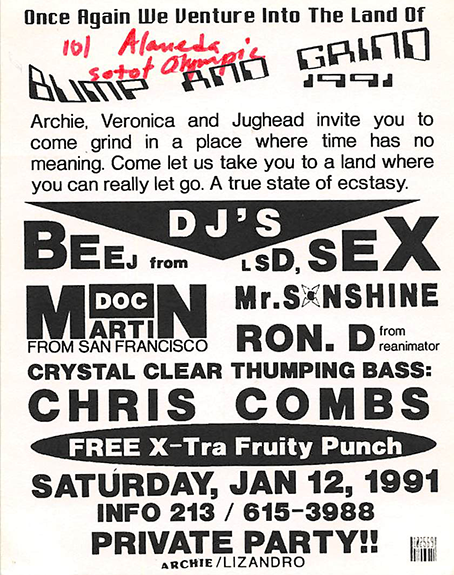
Rave flyer with bleeding counters
due to data compression (1991)
Image source: Private collection
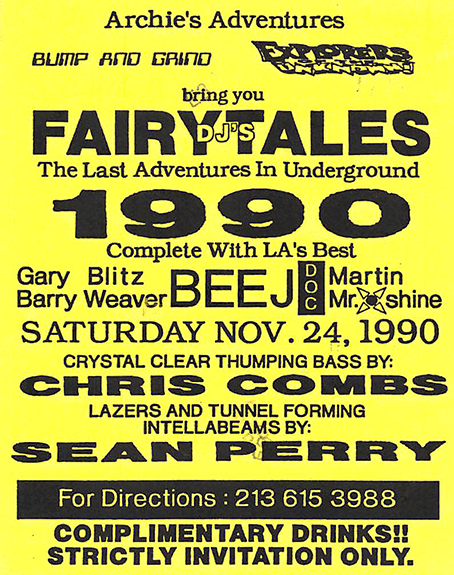
Rave flyer with bleeding counters
due to data compression (1990)
Image source: Private collection
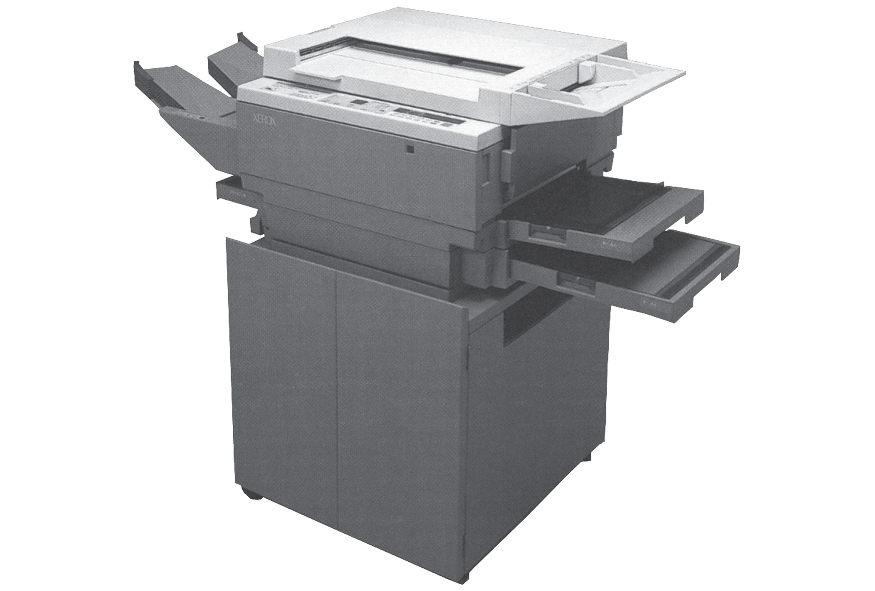
Xerox 1025 (1985).
Image source: xeroxnostalgia.com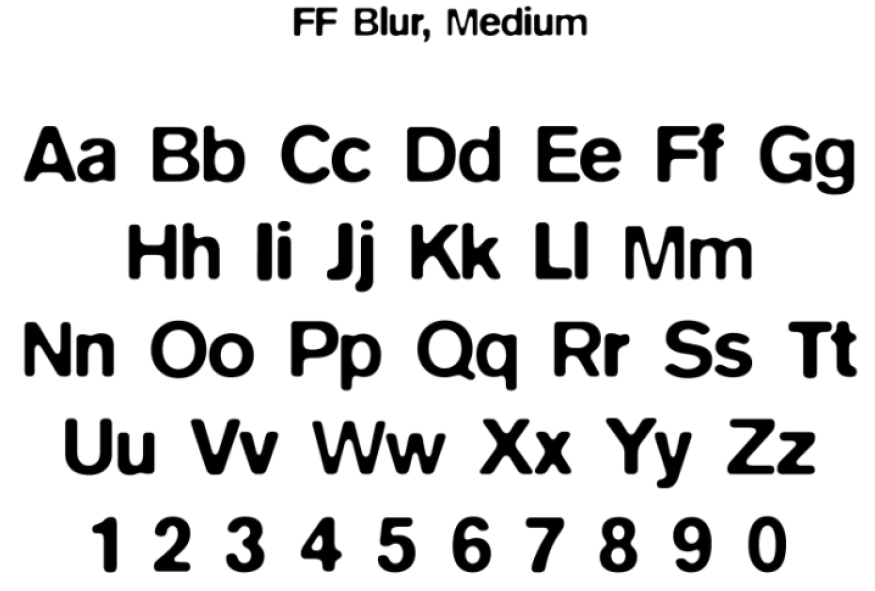
FF Blur (1992) by Neville Brody, published by FontShop.
Image source: moma.org